
Gettin' Hefe with it.
What early-Instagram can teach us about our annoyance with AI writing.

November 2010. I remember it like it wasn’t almost 16 years ago…
I was enjoying an early “orphans’ Christmas” with my flatmate and a few close friends before we all headed home for the holidays. It was a handful of us, gathered around our cramped apartment living room, perched on lumpy IKEA futons and Kmart bean bags.
One of my friends, who was an avid photographer, was bemoaning this new social media app called “Instagram”. How the internet was being flooded with people’s mediocre photos that were edited and filtered to within an inch of their lives… and still looked shit. How more and more people were fooling themselves into thinking they were good photographers, yet were totally ignorant of what actually made a good photo good (or bad).
For me? Given my life-long commitment to being terrible at photography… I empathised, but was still having a blast posting on my feed and mucking around with all of these amazing filters and tools. Christmas had indeed come early for photography-challenged people like me.
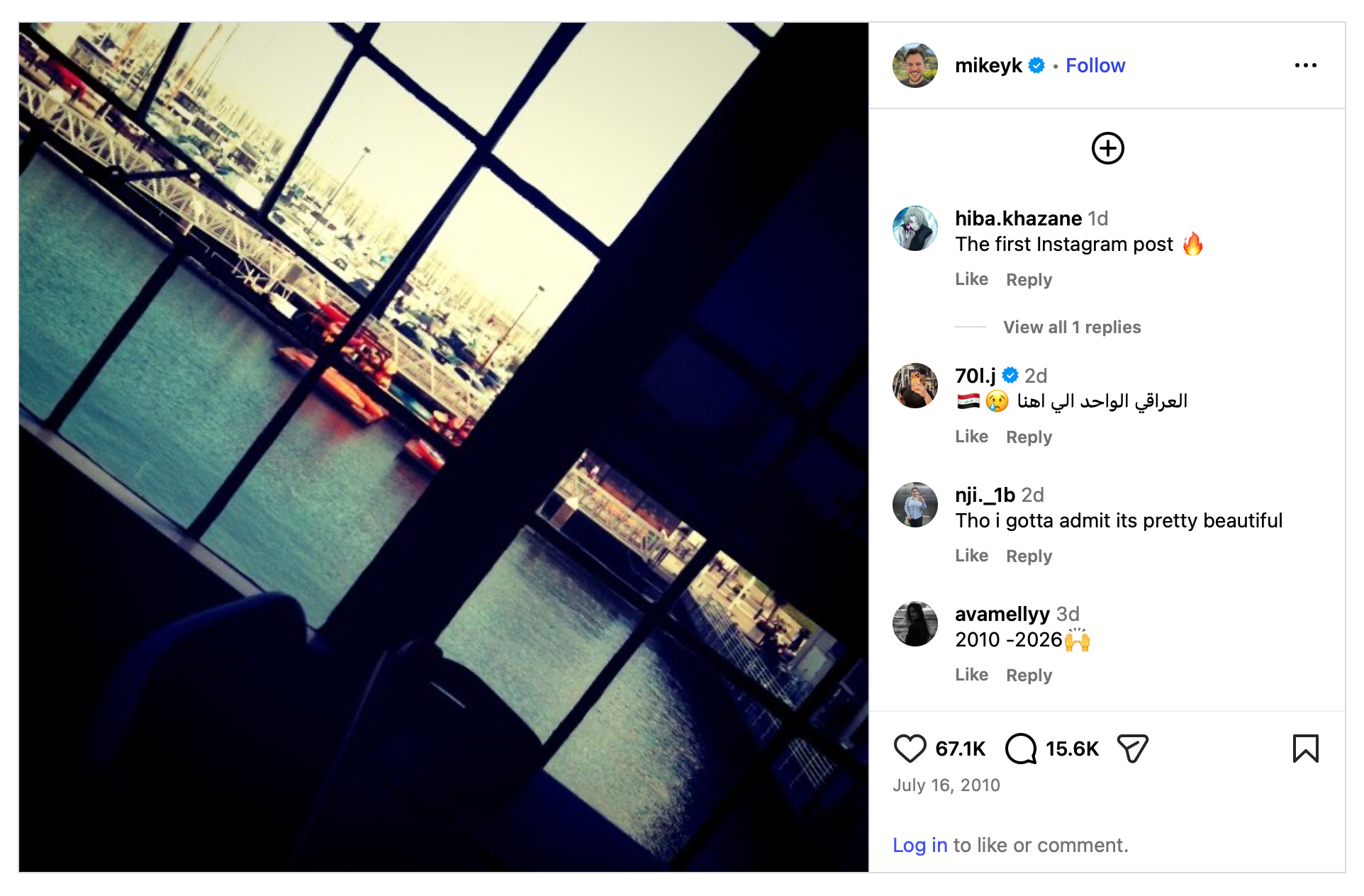
If you write for a living and you’re worried about AI, I want you to cast your mind back to those early days of Instagram.
Suddenly, everyone who wasn’t a photographer was sharing their mediocre photos with incredible filters. Cropped badly. Lit worse. But slathered in enough Valencia or Earlybird to make a blurry brunch look editorial-worthy.
Plenty of photographers lost their minds – “Do you even understand composition?” “You’re breaking every convention!” – and they weren’t wrong: most of it was terrible photography. It was just terrible photography that looked pretty good to anyone who didn’t know what good photography actually was.
But a couple of things happened: more people got access to photographic tools, which lifted the baseline standard of what we expected from an image; and as a result, appreciation for genuinely good photography didn’t collapse… it grew. People started using words like “bokeh” and “aperture” – and started to understand, however vaguely, what separated a great shot from a lucky one.
Over time, photographers survived and the good ones thrived.
I keep wondering if that might be a more honest (and less alarmist) way to look at AI and writing.
Because here’s the awkward point everyone’s dancing around: a lot of people are genuinely bad at written communication. And even more think they’re decent… but kinda suck.
Just think about the state of email at your workplace. Steve from Accounts and his addiction to the Caps Lock. Sarah from HR and her exclamation mark dependency. Greg from the Dev team and his cryptic one-word replies that could mean anything from “I agree and I hate you” to “I disagree and I hate you”… or, you know, that annoying middle-aged strategist who writes overly-long replies to emails that should’ve been a meeting * cough *
AI isn’t inventing bad writing, it’s reflecting back the average “standard” of our collective written communication. For every Oscar-worthy script and Pulitzer-winning novel, there’s a sea of incoherent email threads and shitty social posts that balance things out.
So if AI lifts that baseline floor… is that entirely a bad thing?
I think we’re in the early-Instagram era of AI writing. Where most people are cranking the saturation, slapping on a filter, and feeling pretty good about a thing they’re not particularly good at.
And look, that’s fine. That’s actually kind of how new tools work – democratise access first, and the quality conversation follows.
The snarky posts on LinkedIn and Substack feeds about “AI writing” right now is, to me, the text-equivalent of photographers complaining about Instagram’s filters in 2011: technically correct, but probably missing the point. Because the people using AI to write aren’t trying to win a Pulitzer – they’re trying to send a clearer email, or draft a proposal that doesn’t embarrass them, or finally reply to that message they’ve been avoiding for two weeks.
It’s Steve communicating the urgency without uppercase. It’s Sarah figuring out that she can express her excitement without exclamation points. It’s Greg helping you realise that he very much agrees with you (but still hates you).
So if AI helps more people communicate more clearly, that’s probably a rising tide. And rising tides, historically, don’t sink the boats that were already built well.
The writers who survive this won’t be the ones who most loudly oppose the filters. They’ll be the ones who kept doing the thing that made their writing worth reading in the first place – yes, the skill, but also the genuinely unique idiosyncrasies that set great writing apart from the pack.
I guess what I’m trying to say is, maybe we need to calm down with the em-dash witch hunt. It’s kinda the text-version of me choosing the "Hefe" filter and feeling like I don't suck so much at a thing I suck at.
*Sure, this analogy might eventually lead us to the dumpster fire that Instagram has become. But I said early Instagram. Let me have this one…
.